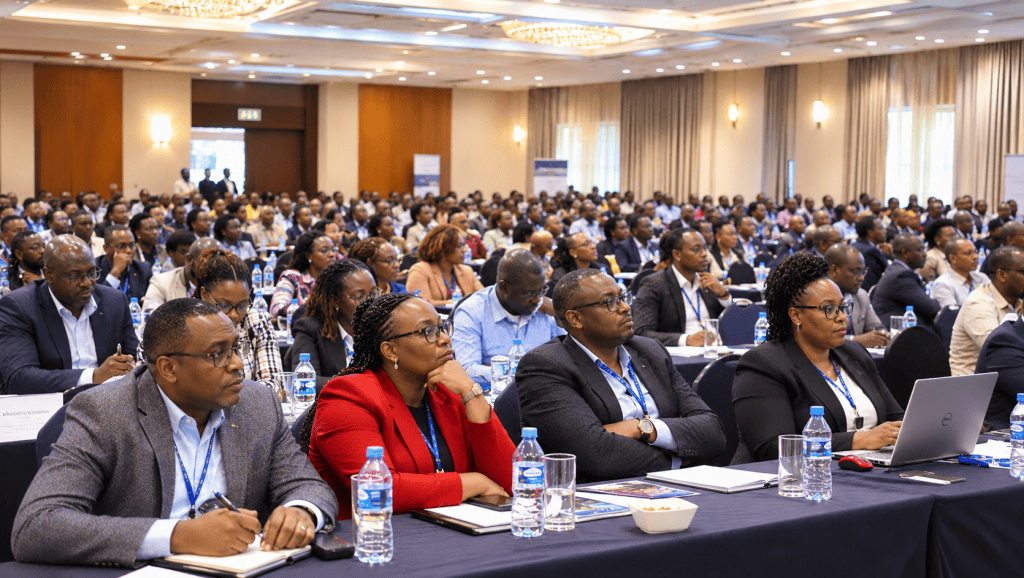
Hospital Customer Care and Customer Experience Training in Kenya
Hessons Consulting Group provides customised hospital customer care and customer experience training in Kenya, supporting private hospitals, hospital groups, faith-based healthcare institutions and other healthcare providers in strengthening patient communication, service professionalism, complaint management and patient experience.
Our training equips hospital reception teams, patient relations officers, admissions and billing personnel, call centre staff, departmental supervisors and other patient-facing employees with practical skills to improve service interactions, manage patient expectations and deliver a more consistent experience across the hospital.
Table of Contents
ToggleKey Areas of Our Hospital Customer Care and Customer Experience Training
Hessons Consulting Group delivers a customised training programme aligned with the hospital’s service standards, patient experience priorities, departmental responsibilities and identified staff capability gaps.
Key areas may include:
- Patient-Centred Service Mindset and Professional Communication: Developing empathy, professionalism, active listening, personal accountability, respect, discretion and effective communication with patients and their families.
- Hospital Front Desk and Patient Service Excellence: Strengthening reception, appointment handling, telephone etiquette, patient enquiries, admissions communication and the professional management of service interactions.
- Complaint Handling and Service Recovery: Managing dissatisfied patients, handling difficult conversations, de-escalating conflict, resolving service concerns and escalating matters appropriately.
- Patient Journey and Customer Experience Management: Improving service coordination, managing patient expectations, communicating delays and strengthening continuity across hospital departments.
- Patient Feedback, Service Improvement and Team Leadership: Strengthening feedback management, service standards, frontline supervision, staff coaching and accountability for patient experience.
- Other Customised Hospital Customer Care and Customer Experience Trainings: Tailored to the hospital’s specific service challenges, patient experience priorities and workforce development requirements.
Why Patient Experience Extends Beyond Clinical Care
Patients assess their hospital experience through more than the medical attention they receive.
Their interactions with reception staff, admissions personnel, billing teams, customer service officers and other employees influence how they perceive the institution.
A patient may receive appropriate clinical care yet remain dissatisfied because of unclear communication, repeated administrative delays, inconsistent information or poorly handled service concerns.
Similarly, family members may experience considerable frustration when they cannot obtain timely updates or understand the hospital’s administrative processes.
These experiences matter because healthcare services are frequently sought under circumstances of uncertainty, anxiety and personal vulnerability.
Hospital customer experience is shaped by how effectively the institution supports patients throughout their interactions with its people, processes and services.
Training should therefore strengthen employees’ ability to communicate clearly, respond professionally and understand how their responsibilities influence the wider patient experience.
This requires a consistent service culture without confusing customer service responsibilities with clinical decision-making.
Strengthening Frontline Communication and Patient Service Standards
Frontline employees often establish a patient’s first impression of a hospital.
Receptionists, appointment coordinators, admissions officers and patient relations personnel must handle enquiries, provide directions, communicate administrative requirements and respond to concerns.
These responsibilities may appear routine, but their execution has a significant influence on service confidence.
For example, a patient arriving for a consultation may require assistance understanding the registration process, payment arrangements, appointment procedures or where to access the next service.
Where communication is unclear, the patient may be referred repeatedly between departments or left uncertain about what is expected.
Effective training should develop active listening, professional telephone communication, clear explanations, empathy and the ability to manage challenging interactions.
Staff should also understand how to communicate respectfully with elderly patients, persons with disabilities and individuals who may require additional assistance.
The objective is to establish consistent, professional and respectful service interactions across patient-facing departments.
Managing Complaints, Difficult Conversations and Service Recovery
Complaints are an important source of information about the quality and consistency of hospital services.
Patients and family members may raise concerns about waiting times, communication, billing, staff conduct, service coordination or unmet expectations.
The manner in which employees respond can either restore confidence or intensify dissatisfaction.
A patient questioning a bill, for example, requires a clear explanation and an appropriate resolution process rather than a defensive response or repeated referrals without accountability.
Similarly, a distressed family member may require empathetic communication, accurate information and timely involvement of an authorised supervisor.
Hospital customer care training should strengthen employees’ ability to listen without unnecessary confrontation, establish the nature of a complaint and identify appropriate next steps.
Employees must also understand the limits of their authority, particularly when complaints concern clinical decisions, medical information or matters requiring formal investigation.
Effective service recovery depends on clear ownership, appropriate escalation and consistent communication, not simply apologising to dissatisfied patients.
Improving the Patient Journey and Interdepartmental Coordination
Hospital services involve several departments whose activities are closely connected.
A patient may move through registration, consultation, diagnostic services, pharmacy, billing and discharge processes during a single visit.
Even where individual departments perform their responsibilities effectively, the overall experience can deteriorate when communication between them is inadequate.
Patients may receive conflicting instructions, repeat information unnecessarily or experience delays without understanding what is happening.
Some waiting periods are unavoidable in healthcare environments, particularly where clinical priorities and emergency requirements affect service schedules. However, avoidable uncertainty and poor communication can intensify frustration.
Customer experience training should therefore strengthen employees’ understanding of the complete patient journey and the importance of effective departmental handovers.
Staff should learn to communicate service expectations accurately, provide appropriate updates and coordinate with colleagues when a patient’s needs extend beyond their immediate responsibilities.
The aim is to improve continuity and reduce the administrative difficulties that patients encounter when accessing hospital services.
Building a Hospital-Wide Culture of Service Accountability
Sustainable improvements in patient experience require more than training reception and customer service employees.
Departmental supervisors, administrators and managers play an important role in establishing service expectations, reinforcing appropriate conduct and responding to recurring problems.
A hospital may receive repeated complaints about communication or service delays without achieving meaningful improvement if feedback is not examined and acted upon.
Effective service leadership requires the ability to identify recurring concerns, distinguish staff capability gaps from process-related problems and implement appropriate corrective actions.
Training should strengthen frontline supervision, staff coaching, patient feedback management and the practical application of institutional service standards.
Managers should also understand how to evaluate patient experience through relevant indicators such as complaint patterns, response times, feedback trends and service consistency.
The objective is to establish patient experience as a shared management responsibility, supported by clear standards and consistent follow-through.
Customised Hospital Customer Care and Customer Experience Training and Delivery Options
Hessons Consulting Group provides customised hospital customer care and customer experience training for private hospitals, hospital groups, faith-based hospitals, specialist healthcare institutions, outpatient centres and other healthcare providers across Kenya.
Programmes may address selected service competencies or provide broader patient experience development for employees across multiple departments.
Training is available through in-house training, physical (in-person) training, virtual training and blended learning, with delivery arrangements adapted to hospital operations, employee shifts and institutional requirements.
Practical learning activities may include patient service scenarios, communication exercises, complaint-handling simulations, difficult conversation role-plays and departmental service improvement discussions.
Our training focuses on non-clinical service capabilities, communication, patient experience and management effectiveness. Clinical assessment, treatment decisions and regulated professional responsibilities remain within the authority of appropriately qualified healthcare personnel.
Hospitals seeking wider staff development can explore our corporate training programmes in Kenya. Our hospital management consulting services also support healthcare institutions in strengthening strategy, organisational systems and operational effectiveness.
Engage Hospital Customer Care and Customer Experience Training Consultants in Kenya
Engage Hessons Consulting Group for customised hospital customer care and customer experience training designed to strengthen patient communication, frontline service professionalism, complaint resolution, patient journey coordination and service leadership.
To discuss your hospital’s training requirements or request a customised training quotation, call or WhatsApp 0799 137 087 or email [email protected].