The Strategic Value of Team Building in Modern Organizations
Table of Contents
ToggleWhy Intentional Team Development Drives Measurable Business Results
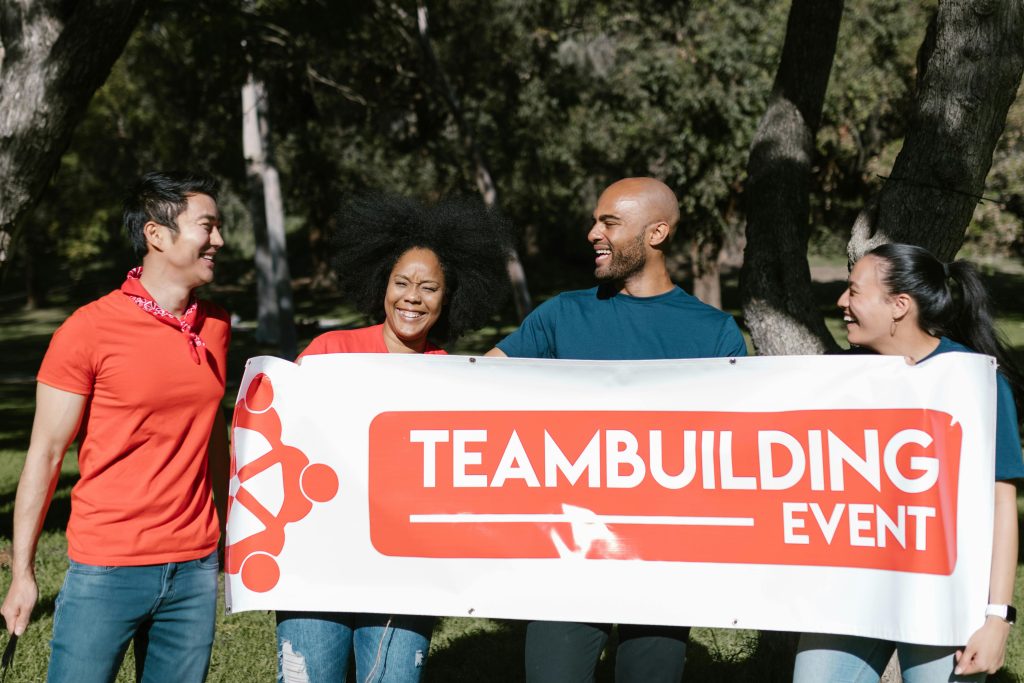
Team building has moved far beyond once-a-year outings. In high-performing organizations, it is a strategic lever for culture, execution, and growth. When designed with clear objectives, linked to business priorities, and measured for impact, team development improves collaboration, speeds problem-solving, fuels innovation, and strengthens retention. The result is a more connected, accountable workforce that delivers better outcomes for customers and the business.
Well-designed programs create the conditions teams need to thrive: trust, psychological safety, shared goals, and the practical habits that keep cross-functional work moving. Companies that invest consistently in team effectiveness see tangible improvements in productivity, profitability, and employee loyalty. In short, team building is not a perk. It is a performance system.
What Strategic Team Building Delivers
Stronger collaboration across functions.
When teams understand each other’s strengths and constraints, handovers improve, bottlenecks reduce, and projects accelerate. Targeted workshops and simulations help teams practice coordination under pressure so the same behaviors show up on real work.
Faster, better problem-solving and innovation.
Psychological safety enables people to challenge assumptions, surface risks early, and propose bold ideas. Experiential activities (from simulations to hackathons) sharpen collective judgment and creativity that later translate to product, service, and process improvements.
Clearer communication and fewer conflicts.
Shared norms, common language, and regular feedback routines cut misalignment. Teams that practice open dialogue resolve issues earlier and spend more time delivering.
Higher engagement and retention.
Connected teams are more resilient and less likely to churn. Employees who feel seen, supported, and part of something meaningful show up with energy — and stay longer.
Measurable business impact.
Strategic programs tie activities to metrics: project cycle time, cross-team SLA adherence, quality defects, customer satisfaction, engagement scores, and voluntary turnover. Leaders can see the return, not just the photos.
Proof of Value: Making ROI Visible
Organizations that treat team building like any other investment — with goals, baselines, and post-event follow-through — see the clearest returns. Practical measurement looks like this:
- Before: define objectives (e.g., reduce rework by 20%, improve cross-department SLA compliance to 90%, lift engagement score by 10 points).
- During: run targeted experiences that practice the exact behaviors required to hit those goals.
- After: embed rituals (weekly stand-ups, retrospectives, peer feedback), track KPIs for 60–90 days, and coach managers to reinforce habits.
The pattern is consistent: when experiences are aligned to strategy and supported by managers, results persist. When they are generic or one-off, gains fade.
Modern Formats That Work (In-Person, Virtual, Hybrid)
Experiential workshops & retreats.
Scenario-based simulations, outdoor challenges, and strategy sprints where teams plan, execute, and debrief against real business objectives. Effective sessions always end with an operational action plan and owners.
Virtual and hybrid team development.
Remote-friendly experiences (online simulations, collaborative sprints, virtual escape/problem rooms) paired with short, frequent touchpoints. Hybrid design ensures remote colleagues participate meaningfully alongside in-person attendees.
Inclusive, accessible programs.
Activities that accommodate different roles, seniority levels, abilities, and personalities. Blending structured dialogue with hands-on challenges ensures every voice contributes — from introverts to senior executives.
Kenya Context: Turning Culture into Competitive Advantage
Kenyan organizations benefit from strong community values and a “pull together” ethos. Harnessing that strength requires intentional design:
- Hierarchy with openness. Maintain respect for seniority while creating safe channels for challenge and ideas from junior staff.
- Multigenerational teams. Blend tech-forward, purpose-driven activities for younger employees with mentoring and leadership circles that leverage experienced managers.
- Hybrid realities. Keep distributed teams connected with consistent rhythms — brief virtual huddles, monthly cross-team forums, and quarterly in-person alignment.
Organizations that align team programs with local realities — language, community service, regional operations — see higher participation and faster transfer to daily work.
Overcoming Common Barriers
- Skepticism: Replace “fun days” with targeted sessions tied to KPIs. Share the before/after metrics.
- Budget: Prioritize high-impact, low-cost formats (manager-led rituals, peer-coaching, virtual challenges) and scale once ROI is visible.
- Hybrid silos: Design every initiative with a remote path and require inclusive facilitation standards so location doesn’t limit impact.
- One-and-done: Treat team effectiveness as an operating system — not an annual event — with recurring touchpoints and reinforcement.
Why Your Delivery Partner Matters
The difference between uplift and “nice day out” is design quality. Generic events produce generic results. The right partner translates business goals into targeted experiences, equips managers to sustain behaviors, and proves impact with data.
Hessons Consulting Group builds team programs that change how work gets done:
- Strategy-Linked Design: Every activity maps to concrete business objectives and role-specific behaviors.
- Experiential & Measurable: Simulations and workshops tied to KPIs, with post-session action plans and dashboards.
- Manager Enablement: Toolkits for leaders (stand-up guides, feedback scripts, retro templates) so habits stick.
- Kenya-Grounded: Local case work, inclusive facilitation, and formats that fit Nairobi, regional, and cross-border teams.
Delivery Options
- In-house, bespoke programs (designed around your strategy, teams, and metrics)
- Open-enrollment workshops (for smaller cohorts or cross-company learning)
- Hybrid & virtual formats (cost-efficient reach with high participation)
Example Outcomes Our Clients Target
- 20–30% reduction in project rework and handover delays
- 10–15 point lift in engagement scores in under a quarter
- 25% faster cross-functional decision cycles
- Fewer quality defects and escalations; higher customer satisfaction
- Lower voluntary turnover in critical teams
We don’t celebrate attendance. We track performance.
Get Your Teams Working as One
If you are ready to move beyond ad-hoc socials and embed team effectiveness into how your organization operates, we can help.
Let’s design a team development system that converts collaboration into results — and keeps doing so, quarter after quarter. Contact Us Today! Reach out through 0799 137087 or book a free and personalized consultation here.